The Crepuscular Cat: Why Your Feline Sleeps All Day to Hunt
If you're a recent cat owner, or simply an observant human sharing your space with a feline friend, you've likely noticed a peculiar phenomenon: your cat seems to spend an inordinate amount of time napping. They lounge on sunbeams, curl up in cozy corners, and appear to be perpetually immersed in a state of slumber. This common observation often leads to the natural question:
why do cats sleep so much? It's a query many pet parents ponder, wondering if such extensive rest is normal. The truth is, your domestic cat's profound dedication to sleep is not only normal but is deeply rooted in their ancient lineage as formidable, efficient hunters.
The Hunter's Heritage: Why Felines Are Built for Rest
To truly understand why your beloved furry companion seems to be perpetually in dreamland, we need to take a fascinating journey back to their wild ancestors. Unlike grazers or scavengers who might spend their days constantly foraging, cats descend from a long line of apex predators. Think of the majestic lions, swift cheetahs, or elusive leopards you see on nature documentaries. These magnificent animals aren't just "lounging around"; they are engaged in a crucial energy-conservation strategy that directly impacts their survival.
Felines are what experts call "ambush predators." Their hunting style isn't about long chases or endless foraging; it's about explosive, short bursts of intense energy. They meticulously stalk, silently inching closer to their prey, waiting for the perfect moment to pounce. This requires immense power, speed, and precision – a full-body workout that depletes energy stores rapidly. Unlike animals that graze on readily available plants, a carnivore's meal demands significant effort, and there's no guarantee of success with every attempt.
Consider the energy balance: a successful hunt means a large meal, but the act of hunting itself is incredibly draining. Wild cats might go days without a successful catch, making efficient energy management paramount. Smaller wild cats also face the dual challenge of being both predator and potential prey, adding another layer of stress and the need for peak readiness. Therefore, to ensure they are always in "tip-top shape" for the next hunting attempt, even our pampered house cats retain this innate need to recharge. Sleep is their primary mechanism for storing up fuel, repairing muscles, and mentally preparing for the next "hunt" – even if that hunt is merely a pounce on a toy mouse in your living room. This evolutionary blueprint is a primary reason
why cats sleep so much. On average, most cats snooze between 12 to 16 hours a day, though some can push that to a remarkable 20 hours! For more on this fascinating topic, check out our article:
Why Do Cats Sleep So Much? The Ancient Predator's Secret.
The Art of the Catnap: Understanding Feline Sleep Cycles
When we say cats sleep for 15-20 hours a day, it doesn't mean they are in a deep, uninterrupted slumber for that entire duration. Instead, feline sleep is a sophisticated mosaic of different sleep states, punctuated by periods of alertness. This is where the term "catnap" truly comes into its own, paying homage to their extraordinary ability to enter and exit sleep with remarkable agility.
Cats divide their extensive rest time into two main types:
1.
Snoozing (Light Sleep): This constitutes the vast majority, approximately 75%, of a cat's sleep time. During these periods, your cat might appear to be fully asleep, but they are often sitting upright or loosely curled, with their eyes partly open or gently closed. Their ears will frequently twitch, swiveling independently to pick up the slightest sounds in their environment. In this half-asleep state, they are acutely aware of their surroundings, ready to spring into action at a moment's notice if potential prey (or a sudden noise) presents itself. It's a state of cautious rest, perfectly suited for a creature whose survival depends on vigilance.
2.
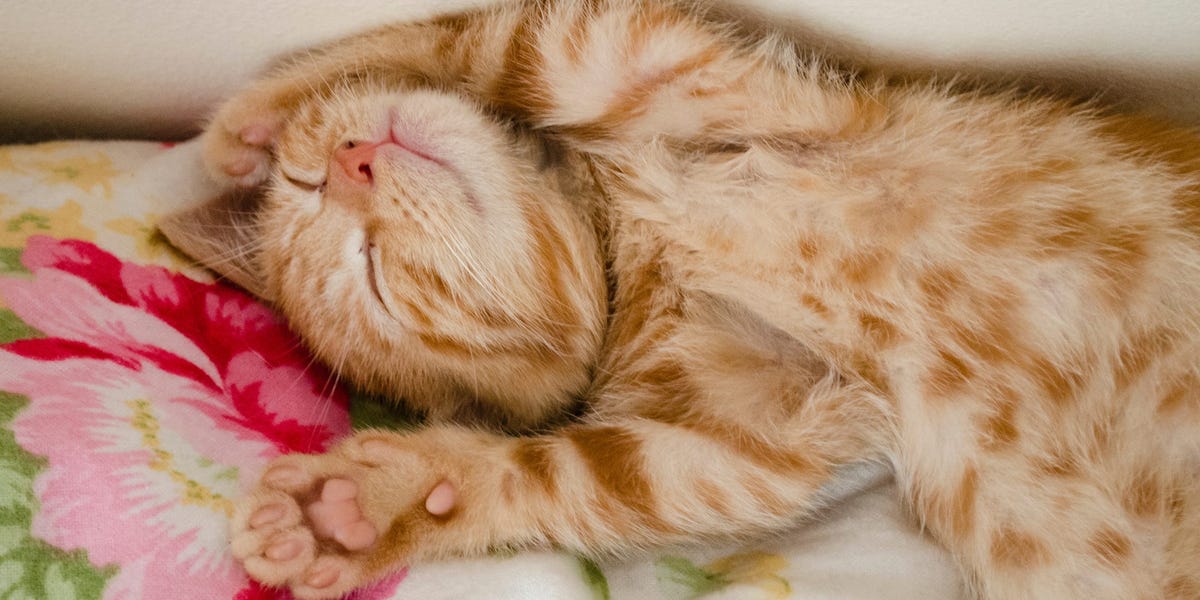
Deep Sleep: When a cat enters deep sleep, they are typically curled up tightly, often with their paws or tail covering their face, and their eyes are completely closed. During these periods, you might observe gentle twitching of their paws or whiskers, indicating they are dreaming. Deep sleep is crucial for physical repair, immune system function, and processing the day's events. While essential, cats spend less time in this state compared to their light snoozes, always maintaining a readiness to awaken quickly.
This intricate balance between light and deep sleep allows cats to remain alert to their surroundings while still gaining the restorative benefits of rest. It's an energy-saving masterclass that ensures they're always prepared for action, no matter how much they seem to be sleeping. If you're curious about the specifics of your cat's rest patterns, you might find more answers in
Is Your Cat a Sleepyhead? Understanding Feline 15-Hour Naps.
Crepuscular Critters: When Your Cat Comes Alive
Beyond the sheer volume of sleep, another significant factor in understanding your cat's sleep patterns is their activity cycle. Most domestic cats, like many of their wild relatives, are "crepuscular." This fascinating term means they are most active during twilight hours – specifically, dawn and dusk.
Think about it: these are the times when light levels are low, making it difficult for many prey animals to spot predators, but perfectly suited for felines. Generations of evolution have perfected their eyes to thrive in low-light conditions. Their large pupils, abundance of rod cells, and a reflective layer behind the retina (the tapetum lucidum) allow them to absorb even the faintest glimmer of light, granting them superior night vision compared to humans.
This explains why your cat might be racing through the house at 5 AM or getting a sudden burst of "zoomies" just as the sun sets. During these times, their senses are sharpest, and their natural hunting instincts are at their peak. Consequently, they compensate for this nocturnal and crepuscular activity by getting most of their rest during the brighter hours of the day. This isn't a behavior you can, or should, try to change. It's a deeply ingrained biological rhythm, as fundamental to their nature as breathing. Accommodating their natural cycles by providing stimulating play during their active periods and a quiet, safe space for daytime sleep will lead to a happier, healthier cat.
Fostering Healthy Sleep & Activity for Your Feline
Understanding
why cats sleep so much is just the first step. As responsible pet parents, we can take proactive measures to support their natural instincts and ensure they lead fulfilling lives:
*
Respect Their Schedule: Don't disturb your cat during their deep sleep. Provide them with quiet, comfortable sleeping spots where they feel safe and undisturbed, away from high-traffic areas.
*
Scheduled Playtime: Dedicate 2-3 short, intense play sessions daily, ideally around dawn and dusk, when your cat is naturally most energetic. Use interactive toys that mimic prey, like feather wands or laser pointers, to satisfy their hunting drive.
*
Environmental Enrichment: Provide mental stimulation throughout the day with puzzle feeders, climbing structures, and window perches. This helps prevent boredom and keeps their minds sharp even when they're not actively hunting.
*
Monitor for Changes: While cats sleep a lot, significant changes in their sleep patterns – sudden extreme lethargy, inability to get comfortable, or unusual restlessness – could indicate an underlying health issue. If you notice concerning changes, consult your veterinarian.
Conclusion
The seemingly endless slumber of your feline companion is far from lazy. It's a sophisticated survival strategy, a direct echo of their wild heritage as efficient, ambush predators. Every catnap, every deep sleep cycle, is a crucial step in conserving energy for their next "hunt" – whether that's chasing a laser dot, pouncing on a toy, or simply maintaining their peak physical condition. By understanding and respecting their unique crepuscular nature and profound need for rest, we can better appreciate the intricate biology of our domestic cats and provide them with an environment that truly supports their innate instincts. So, the next time you see your cat napping away the hours, remember: they're not just sleeping; they're preparing to conquer their world, one graceful pounce at a time.